Hurricane-Resistant Roofing Solutions for Northern Florida
What happens after the first shingle lifts? The answer depends on three details you can ask about before the tear-off begins.
 By Matt Austin, Owner
Start at the edge
Picture a gust hitting the eave of a Jacksonville ranch. If it catches a loose edge, it can peel back the first course of shingles and expose the next one. That makes the few inches along the perimeter especially important, even though they’re hard to see from the driveway.
On a shingle proposal, look for a description of the drip edge and starter strip. The drip edge is the metal trim along the perimeter. The starter strip helps hold the first shingles down. Ask the roofer to show you how those pieces work together on the system they plan to install.
Look one layer deeper
Under the shingles sits the roof deck, usually sheets of plywood or oriented strand board. The joints between those sheets give wind-driven rain a way indoors if the covering comes off. A sealed roof deck adds a second line of defense at those gaps.
A reroof is a good time to discuss this because the crew can see the deck after tear-off. Ask how they’ll identify damaged wood, how replacement sheets will be priced, and how the remaining deck will be attached. Deck attachment and deck sealing solve different problems. One keeps the wood in place. The other limits water entry.
Compare the scopes side by side
Suppose two proposals specify the same architectural shingle. One explains the edge treatment, deck attachment and sealing method. The other lists only the shingle brand and color. You need those missing details before the two prices mean much.
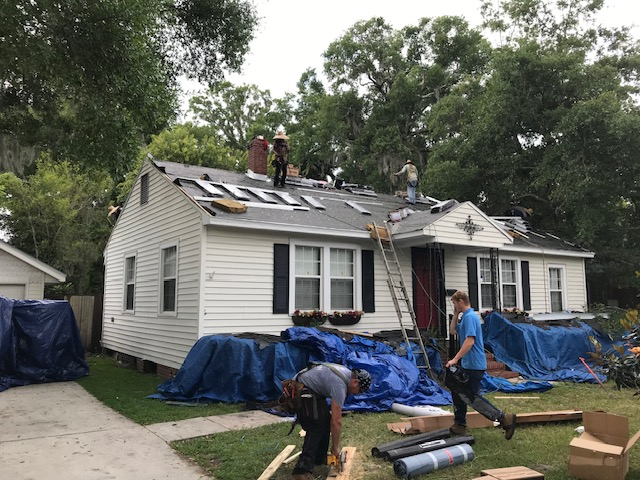
Ask for photos of the exposed deck and completed underlayment before the shingles go on. If you want a formal FORTIFIED designation, raise it before signing so the contractor and evaluator can plan for documentation. Once the new roof is finished, some of the most important work is already hidden.
Further reading
IBHS · FORTIFIED Roof